
Rust Game Server Hosting
Our Rust server hosting plans come with the features you need
Your game server will come with the following, instantly available features:


Instantly deploy a game server
You will quickly be redirected to manage your game server after payment.
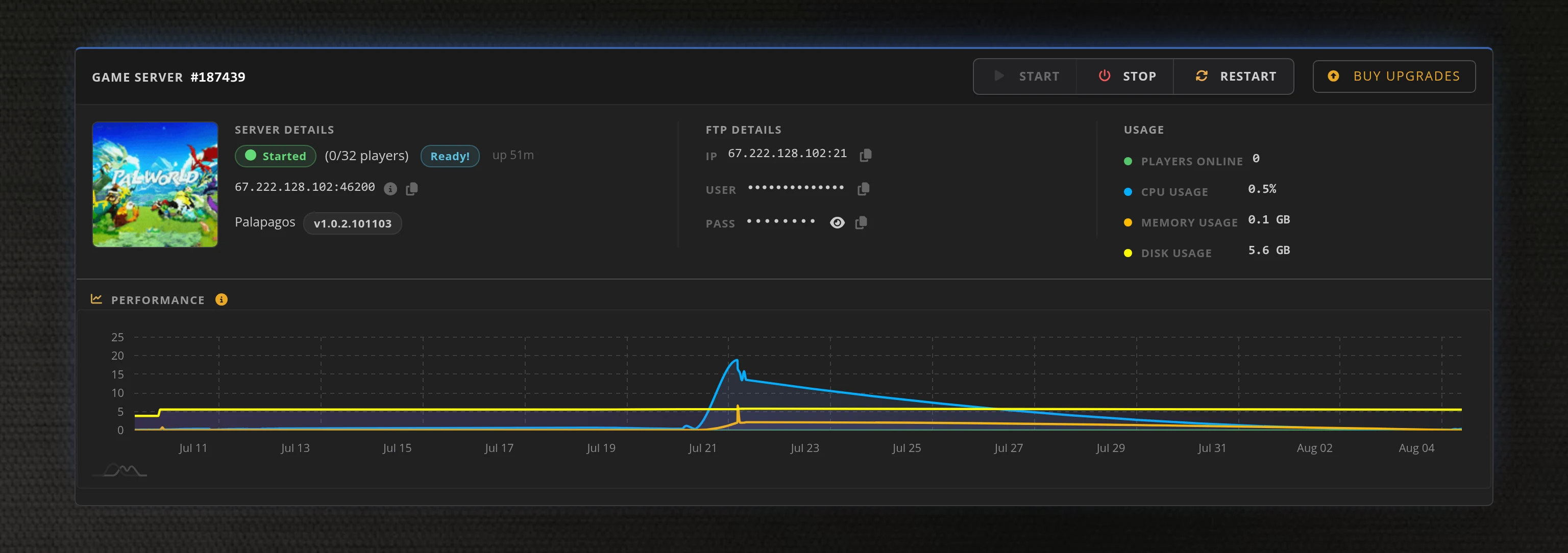
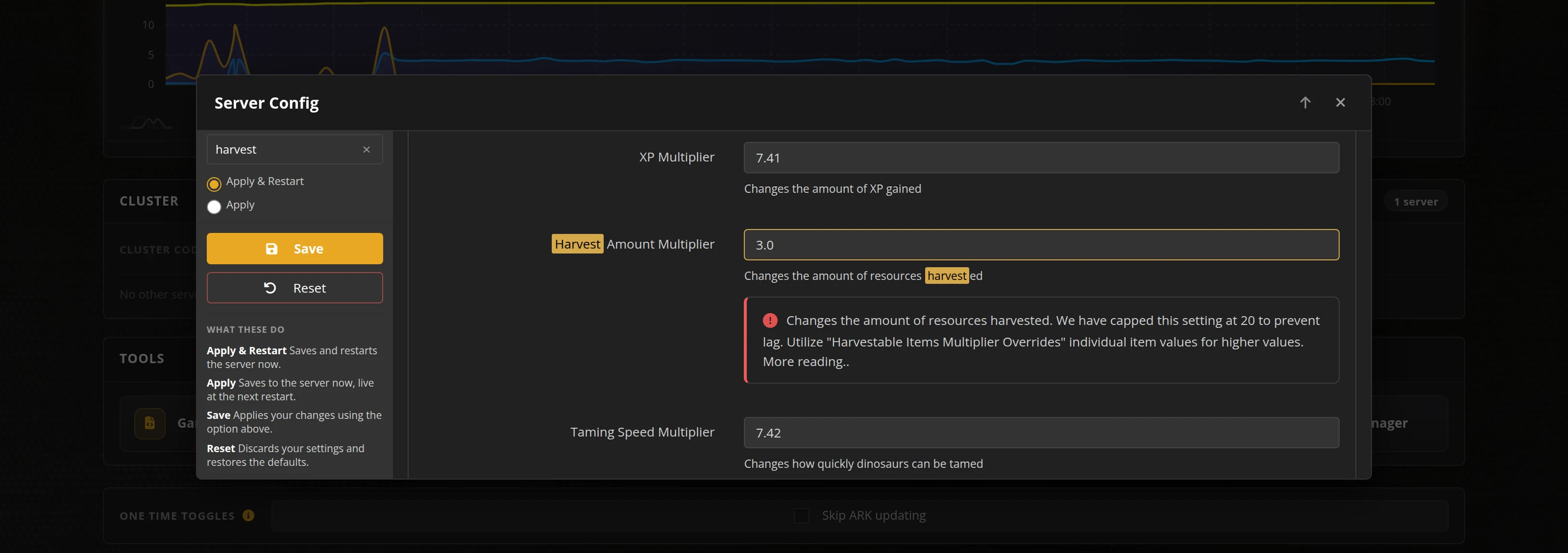
Access to our custom Game Server Management Panel
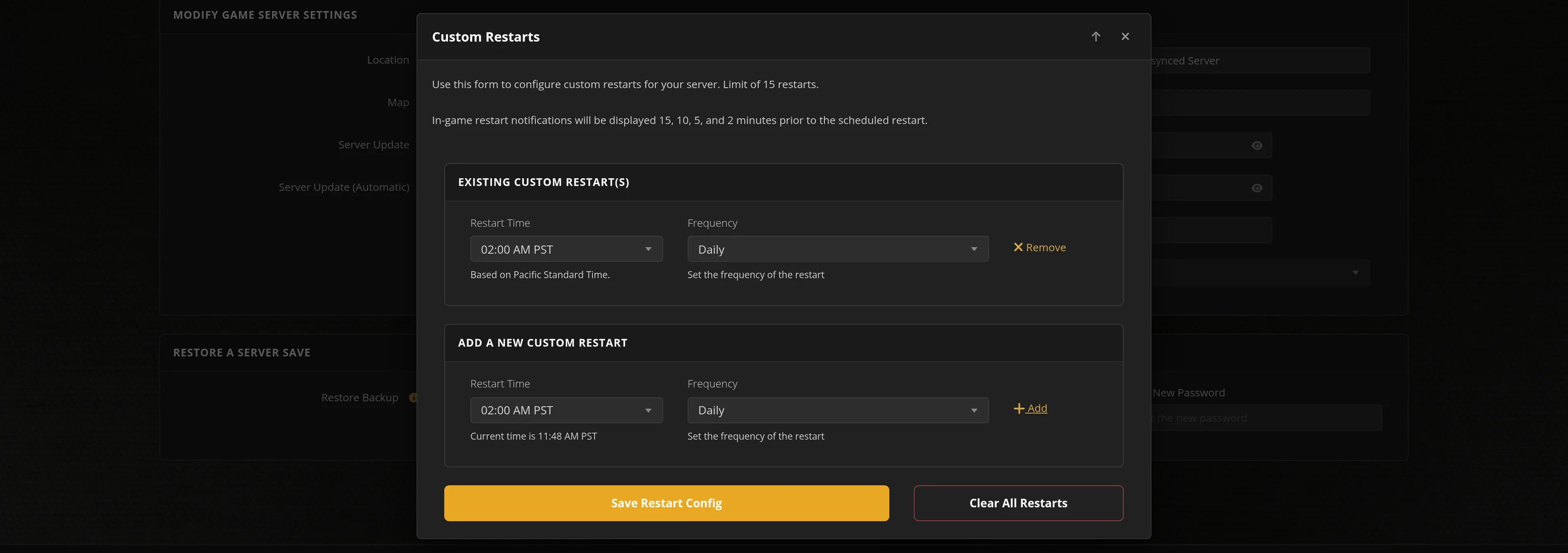
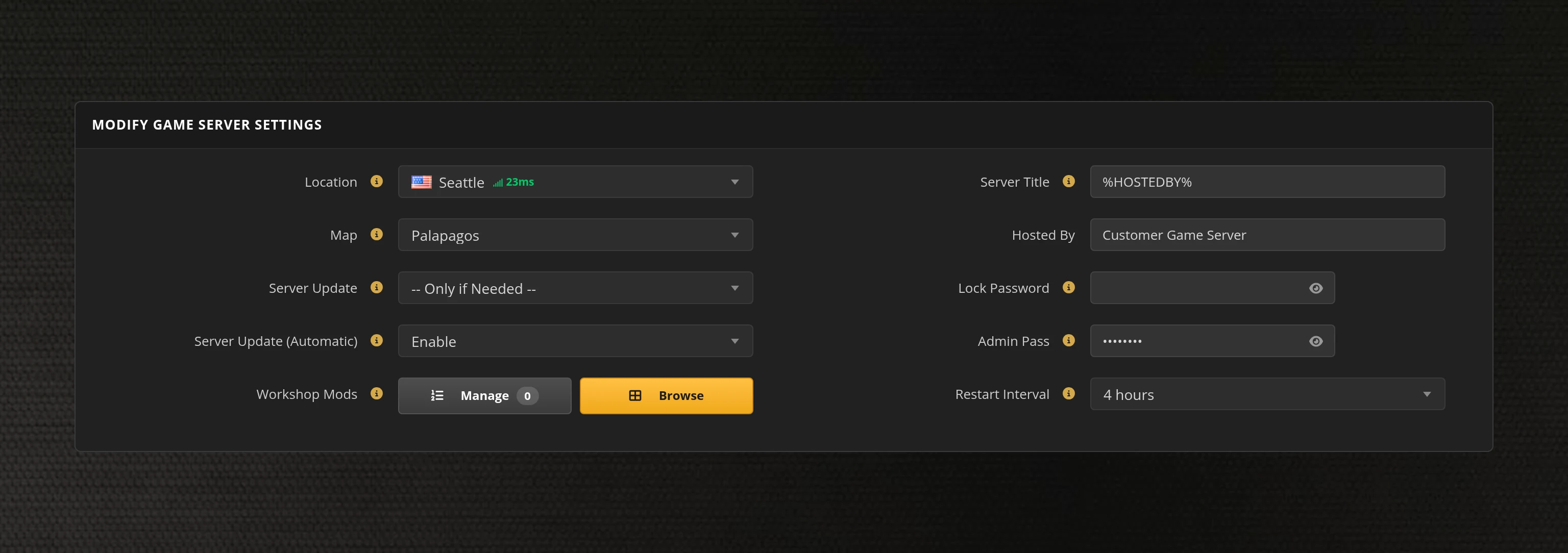
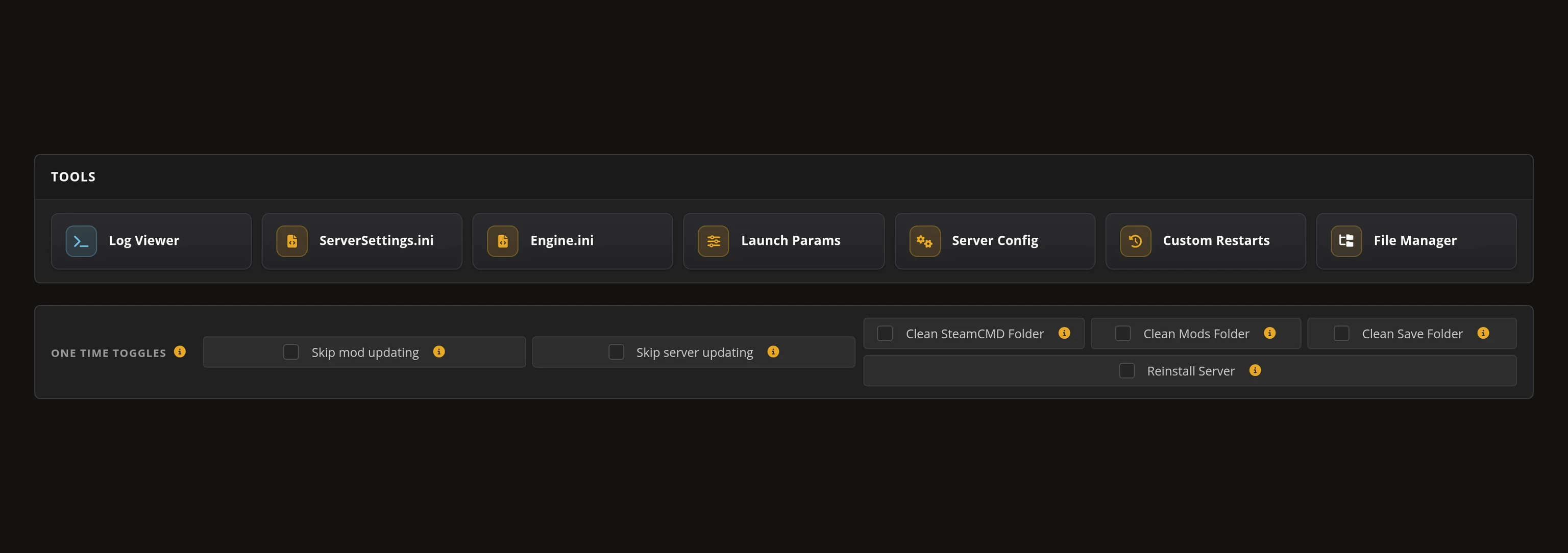
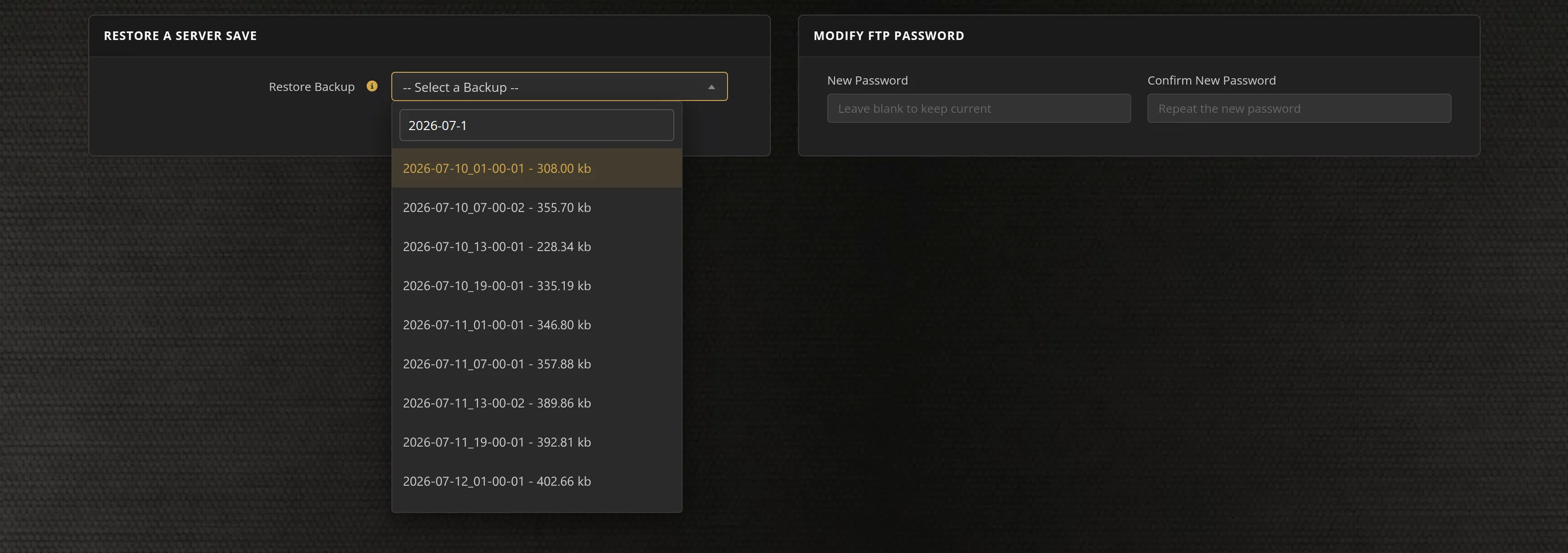
The in-house Survival Servers game control panel allows you to configure and customize your Rust game server. Install supported mods / maps, switch locations, and change any setting with our easy one click form. Survival Servers is a Rust dedicated game server provider with our custom panel.
Global Network, Multiple Hosting Locations
Switch locations any time. DDoS protection available.
Instantly deploy a game server
You will quickly be redirected to manage your game server after payment.
How Rust Server Hosting Works
Rust worlds are procedurally generated from a map seed and world size, and everything your group builds lives on the server around the clock. Renting a Rust server means your base keeps decaying, your furnaces keep smelting, and raiders can come knocking whether you are online or not — that persistence is the heart of the game. What you control from day one:
Facepunch force-wipes every Rust server's map on the first Thursday of each month alongside the monthly client patch. Between forced wipes the schedule is yours: many communities run weekly or biweekly map wipes, while blueprint wipes are optional and much rarer. Owning the wipe schedule is one of the biggest reasons to run your own server instead of grinding on someone else's.
Oxide & uMod Plugin Support
Vanilla is only the starting point. Rust has one of the largest plugin ecosystems in survival gaming, built on the Oxide/uMod framework, and our control panel installs it with one click.
Quality of Life
Gather rate multipliers, stack sizes, kits, homes and teleports, and shop or economy plugins are the staples of most community servers — the difference between a 2x vanilla-plus server and official-style grind.
Custom Game Modes
From loot table editors and custom events to full game modes, thousands of community plugins let you run anything from a competitive PvP server to a heavily modded PvE experience.
Admin Tooling
Permission-based admin plugins, logging, and moderation helpers keep a busy server manageable, and the Rust+ companion app works with your server out of the box.
Full File Access
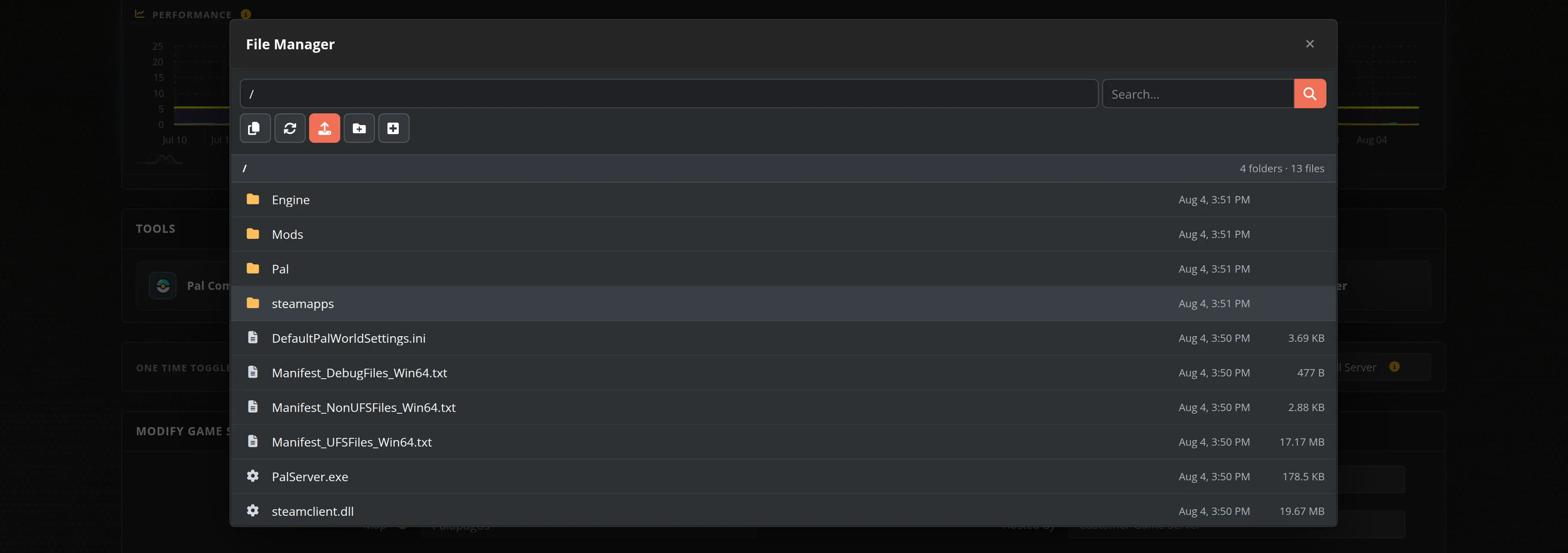
FTP access to every config and data file means you can hand-tune plugin configs, manage your oxide directory directly, and keep your own backups of anything that matters.
Rust Server Performance and Sizing
Rust is one of the most demanding games to host well. The server simulates the entire island — AI, physics, decay, and every entity players have built — and it leans hard on single-thread CPU speed. That is why we run our Rust servers on high single-thread benchmark Intel and AMD CPUs with NVMe SSD storage.
From the SurvivalServers Wiki
Rust Guides & Tutorials
Frequently Asked Questions about Rust Server Hosting
Our Rust plans range from 50 up to 500 player slots, so you can run anything from a small friends wipe to a high-population community server. Rust remains one of the most played survival games on Steam year after year, so a well-run public server has a deep pool of players to draw from.
Yes - Rust modding runs through the Oxide (uMod) framework, and you can enable Oxide on your server with one click from our control panel. From there you upload plugin .cs files to the oxide/plugins folder using the File Manager or FTP, and thousands of free community plugins are available on umod.org. Plugin configs live in oxide/config so you can tune each one.
Rust on PC and Rust Console Edition are separate ecosystems - PC players cannot play with console players. Console Edition supports cross-play between PlayStation and Xbox, while every PC server, including ours, runs the Steam version of the game.
Rust rewards high single-thread CPU performance more than core count, which is what our fleet is built around, along with NVMe SSD storage and DDoS protection. Our plans start at 50 slots and scale to 500, with automated updates and optional pre-release branch access from the control panel - and the per-slot cost drops as the slot count grows.
Absolutely. Rust servers offer extensive customization through Oxide plugins, custom launch parameters, and map control - modify loot tables, gather rates, PvP rules, and raid mechanics with community plugins. Server name, seed, world size, and wipes are all handled from our control panel.